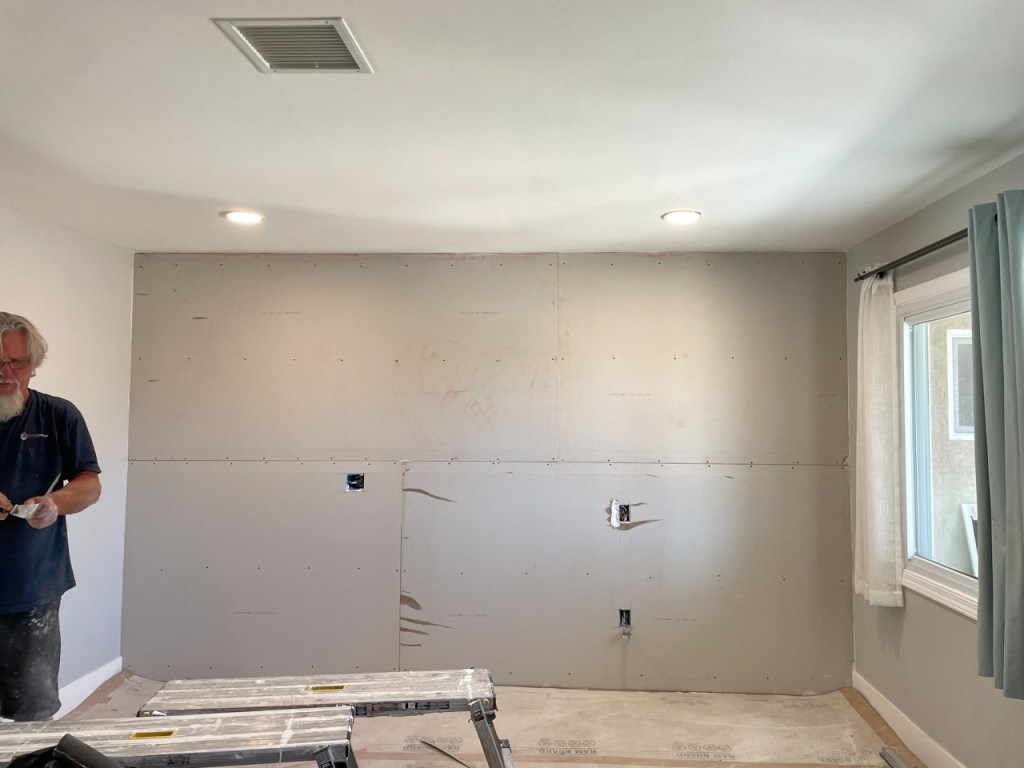
Today, finding a quiet space to work, relax, or simply think has become a precious commodity. Whether you’re dealing with a bustling household, a busy office, or living in an active multi-unit residential building, effective room separation has never been more critical. At Soundproof San Diego, we understand the challenges of creating truly isolated spaces and the immense benefits of successful room sound insulation.
Noise transmission is complex, and controlling it is never a simple task. Soundproofing is not just about blocking out noise; it’s about creating an environment where sound waves are effectively managed, absorbed, and redirected. This process involves understanding the various types of noise that can infiltrate a space and addressing each one with precision.
Consider, for a moment, the different sounds that might be disrupting your peace. There’s airborne noise – the voices, music, or TV sounds that travel through the air. Then there’s impact noise – the thuds, bangs, and vibrations that travel through the structure of a building. And let’s not forget about flanking noise – the sneaky sound that finds its way around barriers through unexpected paths. (You’re probably getting a headache just thinking about it!) And if you have sound sensitivities, you know how important it is to find or create a quiet space.
Each of these noise types requires a different approach to mitigation. For instance, airborne noise might be reduced by addressing gaps and cracks where sound can easily pass through. Impact noise, on the other hand, often requires solutions that dampen vibrations and prevent them from traveling through floors, walls, and ceilings. Flanking noise can be particularly tricky, as it may require a more comprehensive approach to truly isolate a space.
But why is room separation so important? The benefits extend far beyond just reducing annoyance. In a home setting, proper sound insulation can lead to improved sleep quality, increased productivity when working from home, and better overall well-being. In an office environment, it can enhance privacy for sensitive conversations, improve focus and concentration, and create a more professional atmosphere.
In multi-unit buildings, effective room separation is not just a luxury – it’s often a necessity. It can help maintain good relationships between neighbors, increase property values, and even comply with local noise regulations. The peace of mind that comes with knowing your conversations are private and that you won’t be disturbed by others is invaluable.
When considering room sound insulation, it’s important to think holistically. Every surface – walls, floors, ceilings, and even windows and doors – plays a role in how sound travels through a space. Each of these elements may require different acoustical solutions to achieve optimal results. For example, while sound proof foam might be effective for certain applications, it may not be sufficient for comprehensive room separation. Similarly, sound proof drywall can be an excellent start, but it’s often just one piece of a larger acoustical puzzle.
The science behind effective room separation is fascinating and complex. It involves understanding concepts like sound transmission class (STC) ratings, which measure how well a barrier reduces sound transmission. Higher STC ratings indicate better sound insulation, but achieving these ratings often requires a combination of techniques and materials.
One of the challenges in soundproofing a room is addressing the various frequencies of sound. Low-frequency sounds, like bass from music or the rumble of traffic, can be particularly difficult to block. These sounds have longer wavelengths and more energy, allowing them to pass through materials that might easily stop higher-frequency sounds. This is why a comprehensive approach to room separation is so crucial – it needs to address the full spectrum of potential noise issues.
Another important consideration is the concept of sound absorption versus sound blocking. While both are important for effective room separation, they serve different purposes. Sound absorption helps reduce echo and reverberation within a space, improving the overall acoustic quality. Sound blocking, on the other hand, prevents noise from entering or leaving a room. A well-designed room separation strategy will incorporate both of these elements to create a truly peaceful environment.
It’s also worth noting that soundproofing a room isn’t just about adding layers of material. The way these materials are installed and how they interact with the existing structure of a building can have a significant impact on their effectiveness. This is where the expertise of professionals becomes invaluable. They can identify potential weak points in a room’s sound insulation and recommend targeted solutions to address these issues.
At Soundproof San Diego, we’ve seen firsthand how soundproofing a room can transform spaces and improve quality of life. Whether it’s a home theater that doesn’t disturb the rest of the house, a bedroom that’s truly a sanctuary from outside noise, or an office where confidential conversations remain private, the impact of effective soundproofing is profound.
Don’t let noise intrusion compromise your peace and privacy any longer. Contact Soundproof San Diego at (858) 876-4874 for a professional consultation on reducing sounds that are distrubing your peace. Our team of experts will assess your space, understand your specific needs, and develop a customized plan to create the quiet, private environment you deserve. Take the first step towards a more peaceful living or working space – call us today!