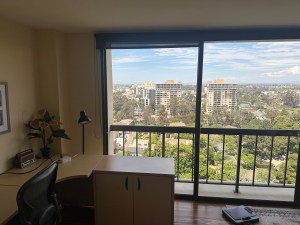
For people who live with sound sensitivity, home is supposed to be a sanctuary—a place to feel safe, grounded, and in control. But what if your home isn’t quiet enough? What if everyday noise—footsteps, voices, barking, neighborhood traffic—makes it difficult to think, rest, or simply be?
Whether you’re a parent raising a child with autism or Sensory Processing Disorder (SPD), an adult managing anxiety, or someone recovering from head trauma or ear damage, you’re not being too sensitive. For those who have noise sensitivities, your nervous system is working overtime in an environment that wasn’t designed for it.
The good news? There are solutions that don’t involve major construction, confrontation with neighbors, or learning to live with discomfort. It starts by understanding how your space is interacting with your sensory system—and how it can be changed with the help of an experienced soundproofing company or sound control expert who specializes in sensory-friendly living environments.
Why Noise Affects Some People More Than Others
Everyone gets irritated by loud or unexpected noises. But for people with noise sensitivity, it’s more than annoying—it’s physically and emotionally disruptive.
This includes:
Individuals with autism, who may experience intense responses to certain frequencies or unpredictable sounds.
Children and adults with SPD, whose brains misinterpret everyday sounds as threatening or overwhelming.
Anyone recovering from head trauma or ear damage, who may now have heightened hearing or altered sound tolerance.
The thread that connects all of these conditions is this: when the world feels too loud, it’s difficult to feel in control. And when you don’t feel in control, your home stops feeling like home.
That’s why thoughtful noise control isn’t about luxury—it’s about mental and emotional well-being.
You’re Not Overreacting—Your Nervous System Is Responding
Sound sensitivity is often invisible. There are no outward signs. But inside, it can feel like chaos.
A child might cry, shut down, or run away. A teen may cover their ears or avoid entire rooms. An adult may feel irritation rising with every noise, unsure why the world feels so intrusive.
Over time, that tension can build into exhaustion. Not just for the person with the sensitivity—but for their family members and caregivers, too. Especially in homes where walls are thin, windows leak outside noise, or the layout of the house funnels sound from one space to another.
In homes like this, it’s not uncommon for people to start tiptoeing around each other—turning down music, whispering in certain rooms, avoiding certain activities—all in an effort to protect peace. But the pressure of walking on eggshells creates its own kind of stress.
That’s where environment-focused solutions come in. You don’t have to change the world outside your home—but you can change the way your home responds to it. That’s what a trusted soundproofing company does best: building peace from the inside out.
Condos, Apartments, and Suburban Homes All Share the Same Challenge
San Diego families live in a variety of housing types—from compact downtown condos to multi-story homes in quiet neighborhoods. But regardless of square footage, most homes are built without much attention to how sound moves.
In condos and apartments, shared walls, ceilings, and floors make every footstep, voice, or plumbing sound feel amplified. Even minor neighbor activity can feel like it’s happening in your own space. For someone with autism, tinnitus, or other sound sensitivities, that can trigger a spiral of distress.
In single-family homes, the challenge is different but just as impactful. You might be dealing with:
Loud appliances or HVAC systems
Sound transfer between bedrooms or floors
Outdoor noise bleeding through windows or thin walls
In-house noises (like TV, kitchen clatter, or voices) bouncing off hard surfaces
For those with SPD, anxiety, autism or other sound sensitivities, even seemingly “normal” noise levels can disrupt concentration, elevate heart rate, and trigger physical stress responses.
If you’ve ever said to yourself, “It’s not that loud—but it feels too loud,” then your body is telling you what your environment hasn’t yet supported: you need a buffer. A sound control expert can help you identify where that buffer is missing—and how to restore it.
What a Quieter Home Can Change
When your space supports your sensory needs, everything becomes easier.
You sleep better. You eat in peace. You stop bracing for the next sound. You have more patience, more clarity, more room to think.
For children and teens, that means better focus, fewer meltdowns, and increased capacity for play, learning, or therapy.
For adults, it means relief—emotionally and physically. Especially for those navigating depression, anxiety, or noise sensitivity that hasn’t responded to other forms of intervention.
Creating a sound-resilient space isn’t about isolating yourself from the world. It’s about feeling safe inside of it. That’s the kind of long-term solution a skilled soundproofing company can provide—without disrupting the design or comfort of your home.
What We Do—and Why It Works
At Soundproof San Diego, we’ve helped individuals and families across the region create quieter, calmer homes that support sensitive nervous systems—not challenge them.
We begin with conversation, not assumptions. We want to know:
What sounds trigger discomfort or overwhelm?
What times of day feel hardest?
Which rooms feel stressful?
What have you tried already?
Then we assess the structure of your home—and how it may be contributing to the problem.
Sometimes the solution is softening interior noise.
Sometimes it’s blocking outside disruptions.
Sometimes it’s isolating specific rooms—like a bedroom, therapy room, or workspace—so they can serve as peaceful sanctuaries.
As a trusted soundproofing company in San Diego, we align our work with your goals.
The Mental Health Connection: Why Sound Affects More Than Your Ears
We often associate sound sensitivity with hearing. But the effects go far deeper.
Studies show that prolonged exposure to unwanted noise can raise cortisol levels, disrupt circadian rhythms, and worsen symptoms of depression, anxiety, and even PTSD. For individuals already navigating autism, SPD, or symptoms from ear damage, a noisy environment can feel inescapable.
That’s why good noise control isn’t just about blocking out sound—it’s about reclaiming focus, energy, and calm. It’s about allowing the nervous system to reset. And it’s about giving every member of your household space to breathe.
You Deserve a Space That Works for You
Whether you’re managing sound sensitivity yourself or supporting someone who is, the truth is simple: your home can and should feel like a place of refuge.
You shouldn’t have to wear headphones all day.
You shouldn’t have to whisper in your own kitchen.
You shouldn’t feel drained just from being in your own space.
And most importantly, you shouldn’t feel like you’re overreacting. You’re not. Your body is asking for a better environment—and we’re here to help build it.
Let’s Quiet the Noise—Together
If you or a loved one is living with SPD, autism, or any form of sound sensitivity, there are options available that don’t require a total remodel—just smarter design, and the right team.
Soundproof San Diego is proud to be one of Southern California’s most experienced soundproofing contractors, working with clients across San Diego County to bring proven, accessible solutions to the people who need them most.
Let us walk you through the possibilities. Let’s turn your home into a place that supports your sensory system—not one you have to fight against.
Because peace shouldn’t be a privilege. It should be part of home.