What do you think is the number one complaint from restaurant-goers? If you thought the quality of food or service would be most concerning, you’d be wrong.
According to a 2018 Zagat survey, noise is the top issue plaguing restaurant visitors. Acoustic control in a restaurant is far more important than most realize. Still, fortunately for restaurant owners, it is possible to control noise and reduce echo with help from sound and acoustic control professionals.
Why Is Noise a Problem for Your Restaurant?
Where there are people, there is noise. From the chatter of customers to the clatter of dishes and pans, noise is an unavoidable part of the restaurant environment. But should restaurateurs settle for a noisy atmosphere? Absolutely not.
Research shows that noise exposure in indoor dining areas can produce negative effects like stress, anxiety, and even depression. These effects can impact restaurant employees’ productivity, mood, and work attendance. This, of course, can affect the restaurant’s service and customer satisfaction levels. Noise can also impact customers, with increased levels causing stress, anxiety, hearing discomfort, and frustration.
Unsurprisingly, noise can even be a contributing factor to decreased business.
When diners struggle to hear each other over the noise of conversation and kitchen sounds, their experience suffers. This can cause customers to leave sooner than they might have otherwise or choose not to return at all. For restaurants aiming to create a welcoming atmosphere where patrons enjoy lingering over their meals, excessive noise can be a significant barrier.
The Complexity of Sound in Restaurant Acoustics
Restaurant acoustics present unique challenges due to the diverse range of sound sources and the complex interactions between them. That’s why so many owners are concerned about reducing echo in a restaurant, or sound control in a restaurant.
The cacophony in a dining establishment is a mix of various elements:
- Conversation: The primary source of noise in most restaurants is the collective sound of patrons talking. As noise levels increase, people tend to speak louder to be heard, creating a feedback loop known as the “Lombard effect.”
- Kitchen noise: The sounds of cooking, dishwashing, and food preparation can bleed into the dining area, especially in open-kitchen concepts.
- Background music: While intended to enhance ambiance, music can contribute significantly to overall noise levels if not carefully managed.
- Mechanical systems: HVAC systems, refrigerators, and other equipment produce constant low-level noise.
- Exterior noise: Traffic sounds and other urban noise can infiltrate the dining space, especially in restaurants with outdoor seating or large windows.
- Reverberation: Hard surfaces common in modern restaurant design (like concrete floors, glass windows, and metal fixtures) reflect sound, creating echo and amplifying noise.
The interplay of these sound sources creates a complex acoustic environment. Sound waves bounce off surfaces, combine, and interfere with each other, making it challenging to predict and control noise levels. This complexity is why professional acoustic solutions are often necessary for effective noise management in restaurants.
The Impact of Design on Restaurant Acoustics
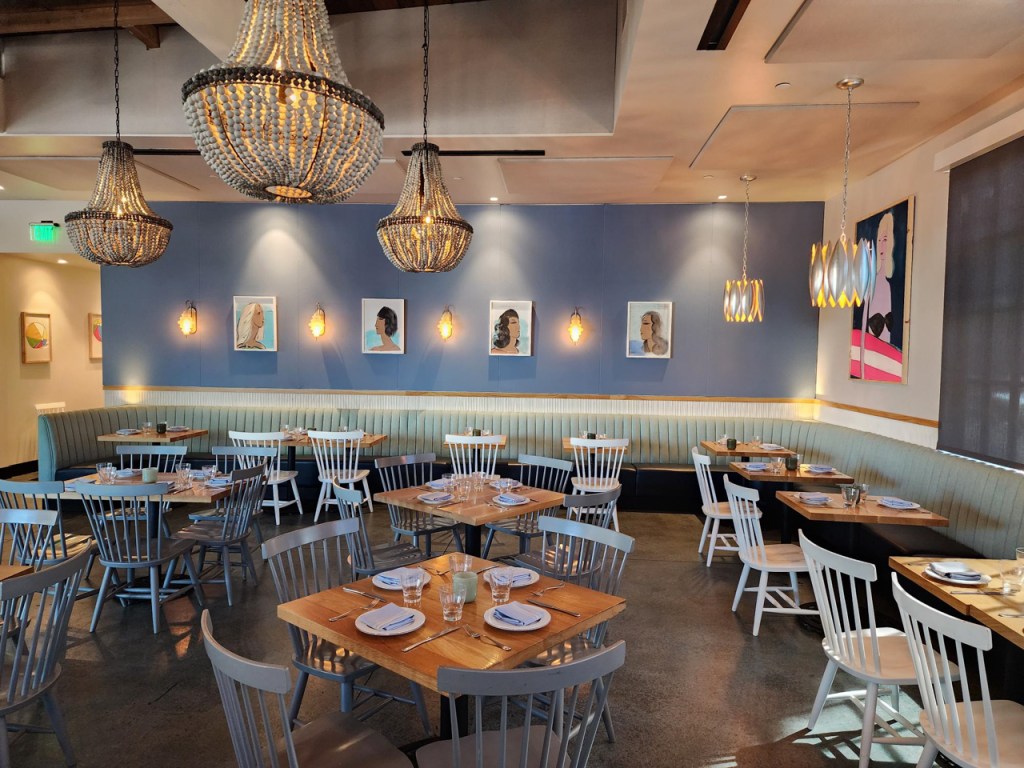
Modern restaurant design trends often prioritize aesthetics over acoustics, inadvertently creating environments prone to noise issues. Open floor plans, high ceilings, and minimalist decor may look stylish, but they can exacerbate sound problems. Hard, reflective surfaces like concrete floors, glass walls, and metal fixtures – popular in contemporary restaurant design – are particularly problematic as they reflect and amplify sound rather than absorb it.
The shape and layout of a restaurant also play crucial roles in its acoustic properties. Large, open spaces allow sound to travel freely, while smaller, segmented areas can help contain noise. The placement of tables, bars, and service stations can create sound corridors or pockets of intense noise activity.
Even the choice of furniture can impact acoustics. Hard-backed chairs and bare tables contribute to sound reflection, while upholstered seating and tablecloths can help absorb some noise. The density of seating arrangements also affects noise levels – tightly packed tables can lead to a more chaotic sound environment as conversations overlap.
Retrofitting Restaurants with Acoustical Solutions
While small acts, such as using tablecloths, curtains, carpeting, and soft furniture can help to a degree, given the complexity of acoustics, sound control in a restaurant is best achieved by a professional. Sometimes, it is the only way to gain acoustic control in a restaurant. Acoustic consultants and sound engineers can provide tailored strategies that balance the need for a lively atmosphere with the desire for comfortable conversation.
By working with professionals, restaurant owners can develop comprehensive acoustic strategies that address their specific needs and complement their design vision. These solutions can create a more pleasant dining environment, potentially leading to increased customer satisfaction, longer dining times, and improved repeat business.
While food quality and service are critical components of any successful restaurant experience, managing noise levels should also be a top priority. By addressing acoustic challenges head-on with professional guidance, you can create enjoyable dining experiences that keep customers coming back, and your restaurant’s name on the map.
Soundproofing Solutions Near Me
Soundproof San Diego is a leading provider of soundproofing and acoustic solutions for residential, commercial, and industrial properties throughout San Diego. Our mission is to enhance the quality of life for our clients by minimizing sound transmission and improving overall sound quality. With a focus on attention to detail, extensive knowledge, and exceptional service, we cater to a diverse clientele, including homeowners, property managers, architects, and businesses.
Our expert team develops customized sound control solutions that address unique acoustic challenges, creating tranquil environments free from disruptive noise. Whether you need to reduce the impact of noisy neighbors or enhance the clarity of sound in your space, Soundproof San Diego is here to help.